How Grantham NextGen Educare Prepares Students Beyond the Syllabus

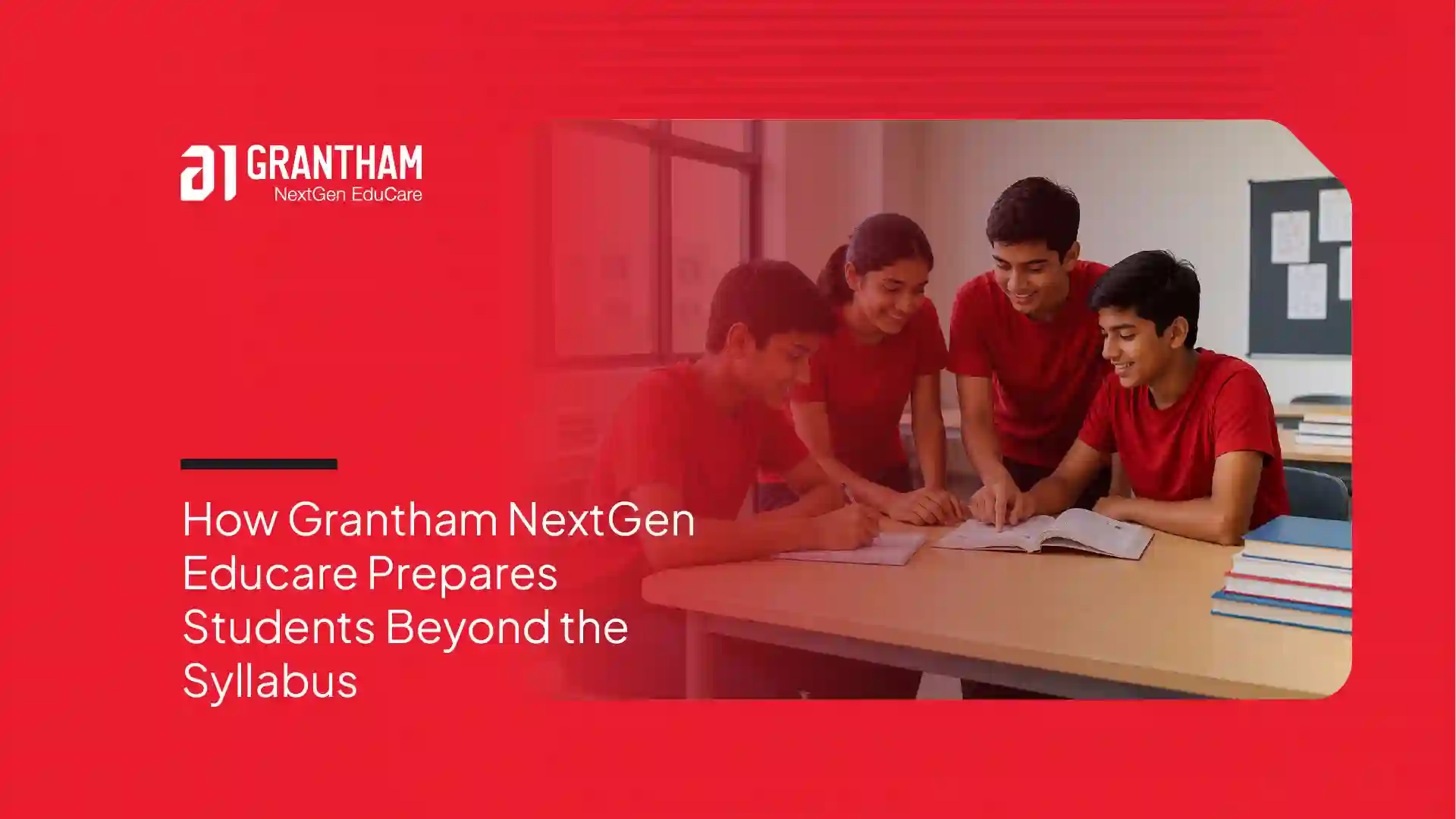
Education has never been limited to textbooks and examinations. While a strong academic foundation remains essential, students entering today’s competitive world need much more than the ability to memorise information and reproduce it in an examination.
They need confidence, communication skills, problem-solving abilities, adaptability, and the capacity to apply what they learn in practical situations.
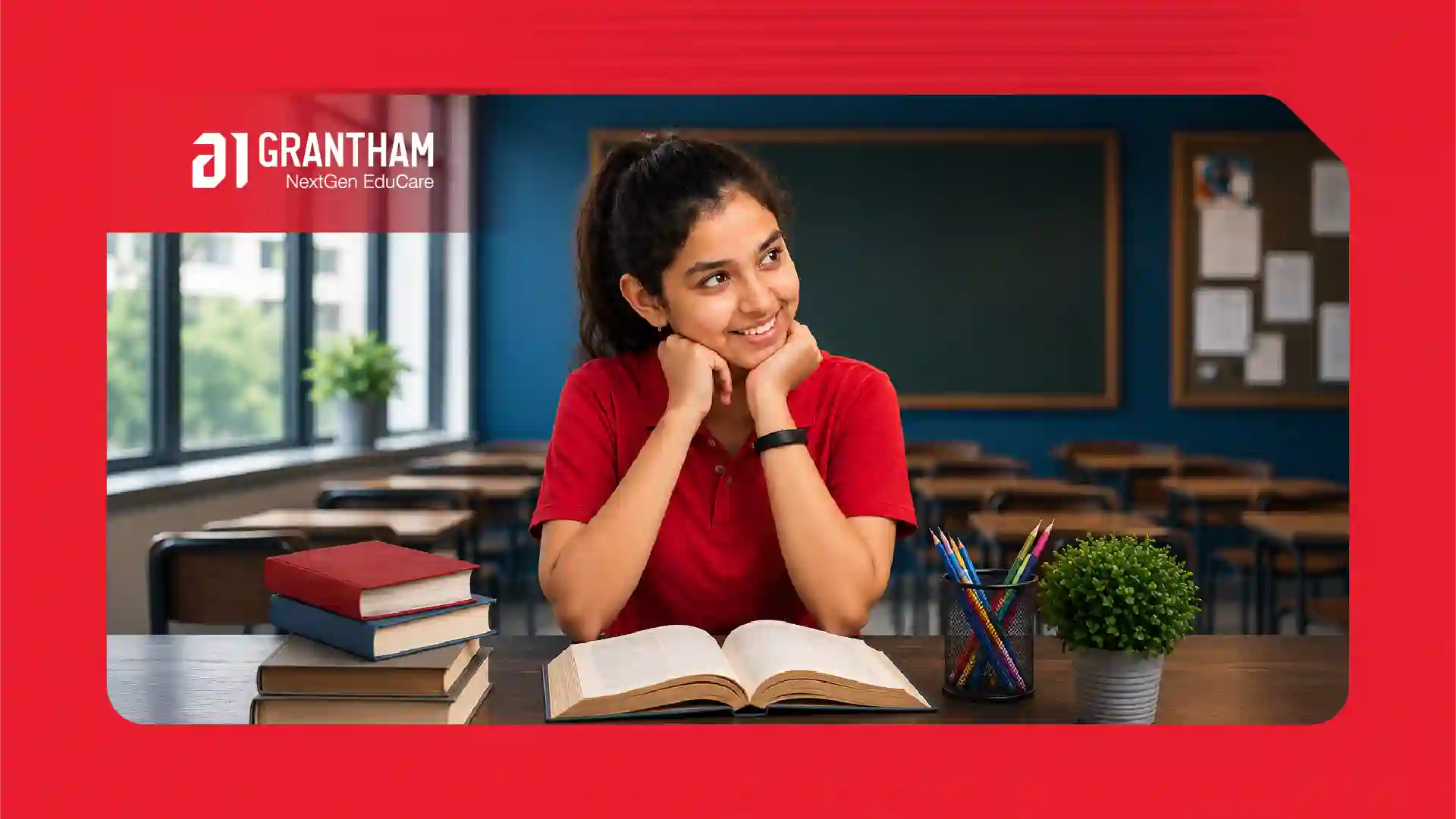
This is where Grantham NextGen Educare takes a broader approach to learning. By combining academic guidance with skill development, practical exposure, and personalised support, the institution focuses on preparing students for challenges that extend beyond the traditional syllabus.
Its approach to holistic education coaching aims to support not only academic performance but also the development of capable, confident, and independent learners.
Learning Beyond Textbooks
A syllabus provides structure, but it cannot cover every skill a student will eventually need. Students may understand a mathematical concept, for example, but still need to learn how to apply logical thinking when solving an unfamiliar problem. Similarly, knowing the rules of grammar does not automatically create an effective communicator.
A broader educational approach connects classroom knowledge with real-world application. Students are encouraged to understand why a concept matters, where it can be used, and how different areas of knowledge can connect with one another.
Building Strong Academic Foundations
Going beyond the syllabus does not mean overlooking the syllabus. Academic growth remains a central part of effective education, particularly when students are preparing for school examinations, entrance tests, or other competitive assessments — the same groundwork we cover in building a strong academic foundation for students.
01Fundamentals First
Understanding basics thoroughly before moving to advanced topics.
02Identifying Gaps
Spotting individual learning gaps early, before they compound.
03Regular Practice
Encouraging consistent revision rather than last-minute cramming.
04Learning From Mistakes
Helping students understand errors instead of just correcting them.
This creates a stronger connection between effort and improvement. Students are not simply encouraged to study more; they are guided towards studying more effectively.
The Importance of Skill Development
Academic knowledge becomes considerably more valuable when students can use it effectively. Skill development therefore plays an important role in preparing learners for life beyond examinations. Communication, critical thinking, time management, collaboration, creativity, and decision-making are examples of skills that can influence both academic and professional success.
A student who learns how to research a topic, organise information, present an argument, and respond to questions is developing skills that extend far beyond a particular subject — the same reasoning-first mindset behind building strong problem-solving skills in mathematics. These capabilities can remain useful throughout higher education and future careers.
This isn’t just a nice-to-have. Peer-reviewed research on workforce readiness has found that structured skill-development programmes measurably help close the gap between what students learn academically and what employers actually need, particularly in communication, collaboration, and problem-solving.
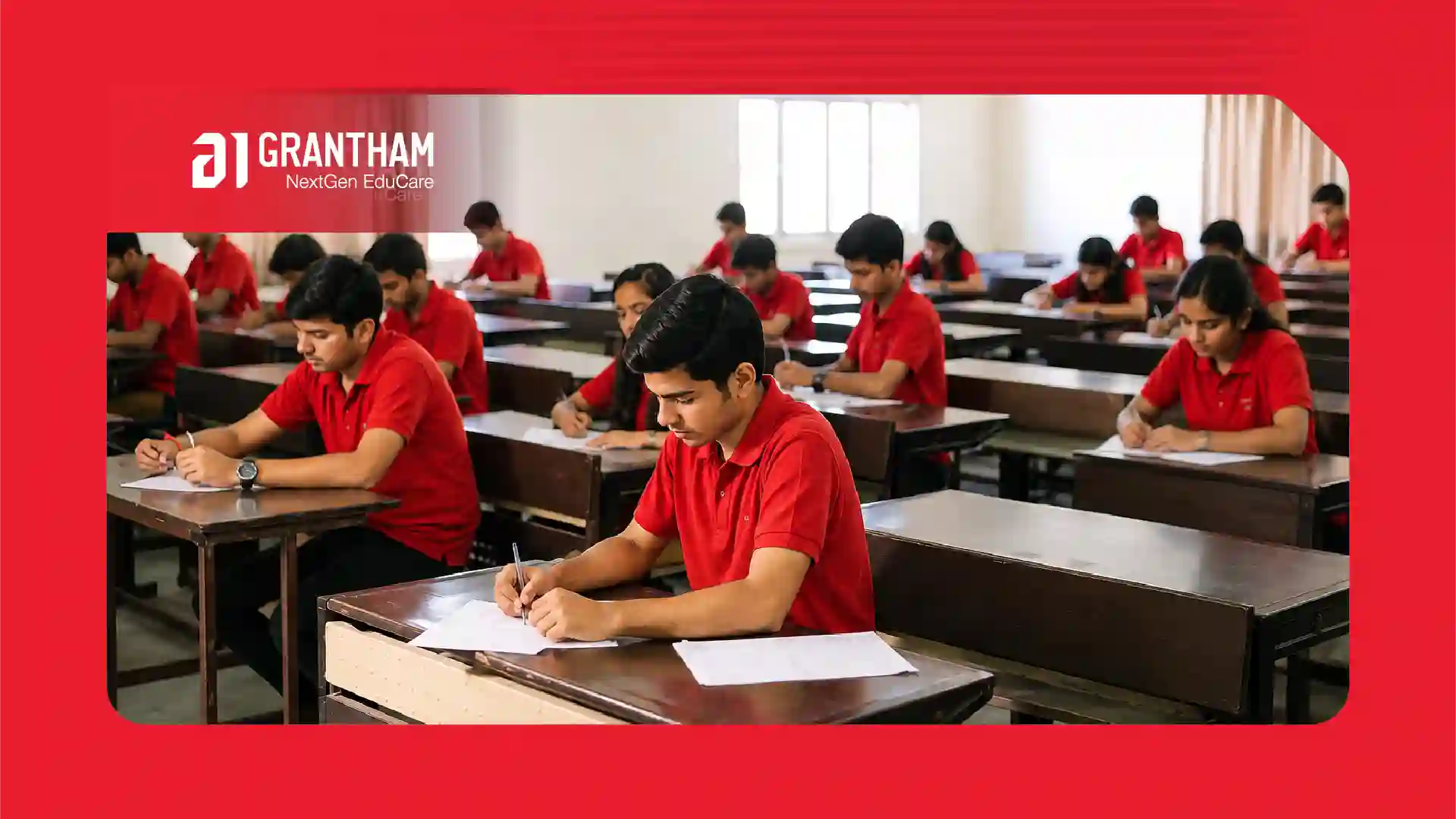
Encouraging Competitive Learning
Competition is already a significant part of modern education. Entrance examinations, scholarships, academic contests, and future professional opportunities can require students to perform under pressure. However, competitive learning should not simply mean competing against classmates — a healthier approach is to encourage students to understand their own strengths, identify areas for improvement, and gradually raise their performance.
01Time-Bound Practice
Getting comfortable working accurately under a ticking clock.
02Application-Based Questions
Testing whether knowledge can actually be used, not just recalled.
03Performance Analysis
Reviewing results to find patterns, not just tracking the score.
04Managing Pressure
Building familiarity with exam conditions well before the real one.
Such practices can help students become familiar with the demands of competitive environments while maintaining an emphasis on understanding rather than fear of failure.
Personalised Support for Student Development
Every student learns differently. Some may grasp concepts quickly but struggle with consistency, while others may require additional explanation before becoming comfortable with a topic. Treating every learner exactly the same can overlook these differences.
Same syllabus, different starting points
By understanding a student’s strengths, weaknesses, pace, and goals, educators can provide support that’s actually relevant — the same close attention we cover in why small batch coaching leads to better academic performance.
Student development, therefore, is not simply about improving marks. It also involves helping students become more organised, self-aware, resilient, and willing to take responsibility for their progress.
Connecting Learning With Real-World Thinking
One of the clearest ways to move beyond the syllabus is to connect academic concepts with situations outside the classroom. When students understand the practical relevance of what they study, subjects can become easier to appreciate.
01Science
Connected to everyday technology and environmental challenges.
02Mathematics
Applied to finance, data, planning, and everyday decision-making.
03Language
Tied to communication, public speaking, and professional interaction.
This approach encourages students to ask better questions. Instead of only asking, “Will this come in the examination?”, they can begin asking, “Where can I use this?” That change in perspective can make a meaningful difference to how students approach education.
Developing Confidence and Independence
Confidence does not come from constant praise. It develops when students experience progress, overcome difficulties, and learn to handle challenges independently. An effective educational environment can provide students with opportunities to make mistakes without treating them as permanent failures — constructive feedback helps learners understand what went wrong and what they can do differently next time.
Over time, this can encourage greater independence — students become more capable of planning their work, seeking clarification, evaluating their performance, and adjusting their strategies when something isn’t working. Research on self-directed learning backs this up: students develop genuine independence fastest when structured mentoring is paired with the right amount of challenge, rather than being left to figure everything out entirely on their own.
Preparing Students for a Changing Future
The world students will enter after completing their education may look very different from the world they experience today. Technology is changing industries, workplaces are becoming increasingly interconnected, and many careers require continuous learning. Education therefore needs to prepare students for change rather than only prepare them for a fixed examination.
Exam-Focused Mindset
- “Will this be in the test?”
- Memorising for a fixed set of questions
- Learning stops once the exam is over
Future-Ready Mindset
- “Where can I use this?”
- Adaptability when circumstances change
- Curiosity and problem-solving that outlast the syllabus
These qualities can complement academic knowledge and help students remain capable learners throughout their lives.
Creating a Balanced Educational Experience
The real value of holistic education coaching lies in balance. Academic achievement matters, but it becomes more meaningful when combined with personal development, practical thinking, and essential life skills.
For parents and students, this means looking beyond marks when evaluating an educational programme. Questions about teaching quality, individual attention, conceptual understanding, assessment methods, and opportunities for broader development can provide a more complete picture. Grantham NextGen Educare’s broader approach reflects an understanding that education should prepare students not only to answer questions in an examination hall but also to approach questions in the real world.
Conclusion
Ultimately, the purpose of education extends beyond completing a syllabus. A successful learner should gradually become someone who can understand new information, think independently, communicate clearly, solve problems, and adapt when circumstances change.
By combining academic growth with skill development and personal guidance, Grantham NextGen Educare aims to create an educational experience that looks beyond immediate examination results. Its focus is on helping students build capabilities that remain relevant as they progress into higher education, competitive environments, and eventually the professional world.
In this sense, going beyond the syllabus is not about adding more chapters or increasing the academic workload. It is about making learning more purposeful. When students understand what they learn, know how to apply it, and develop the confidence to keep learning, education becomes preparation for much more than an examination.
Want to See What Holistic Education Coaching Looks Like?
Talk to Grantham NextGen Educare’s mentors about combining academic growth with skills that last well beyond the exam hall.
Book a Free Consultation →FAQs
1. What is holistic education coaching?
Holistic education coaching focuses on the overall development of a learner. Alongside academic performance, it can address skills such as communication, critical thinking, confidence, time management, problem-solving, and independent learning.
2. Why is skill development important for students?
Skill development helps students apply their academic knowledge effectively. Communication, collaboration, critical thinking, and problem-solving can support them in examinations, higher education, and future professional environments.
3. How does competitive learning benefit students?
Competitive learning can familiarise students with time limits, challenging questions, performance evaluation, and examination pressure. When approached constructively, it can also encourage students to identify weaknesses and improve their strategies.
4. What does future-ready education mean?
Future-ready education prepares students to handle changing academic, technological, and professional environments. It emphasises adaptability, continuous learning, practical thinking, and skills alongside subject knowledge.
5. Does going beyond the syllabus reduce academic focus?
No. A broader approach should strengthen academic learning rather than replace it. Strong conceptual foundations remain essential, while practical application, skill development, and personal growth help students use that knowledge more effectively.